Common Eye Problems and Symptoms: A Complete Guide for Eye Health
Feb 16, 2026
Common Eye Problems and Symptoms: A Complete Guide for Eye Health
Your eyes work continuously—from reading and driving to screen use and daily activities. Yet many people overlook early warning signs of eye problems until vision becomes noticeably affected. Understanding common eye problems and their symptoms can help detect issues early, prevent complications, and protect long-term eye health.
This complete guide explains the most common eye conditions, their symptoms, causes, and when to seek professional care.
Why Paying Attention to Eye Symptoms Matters
Early symptoms such as mild redness, dryness, or temporary blur may seem harmless. However, they can signal underlying issues like glaucoma, retinal disease, or systemic health problems.
Regular eye check-ups help:
-
Detect eye diseases early
-
Prevent vision loss
-
Identify systemic conditions like diabetes
-
Improve daily visual comfort
1. Refractive Errors (Vision Problems)
Refractive errors are the most common eye conditions and occur when light does not focus correctly on the retina.
Types of Refractive Errors
| Condition | Symptoms |
|---|---|
| Myopia (Nearsightedness) | Blurred distance vision |
| Hyperopia (Farsightedness) | Difficulty with near tasks |
| Astigmatism | Distorted or shadowed images |
| Presbyopia | Difficulty reading after age 40 |
Common Signs
-
Squinting
-
Headaches
-
Eye strain
-
Blurred vision
Treatment: Glasses, contact lenses, or refractive surgery.
2. Dry Eye Syndrome
Dry eye occurs when tear production is inadequate or tears evaporate too quickly.
Symptoms
-
Burning or stinging
-
Gritty sensation
-
Redness
-
Fluctuating blurred vision
-
Excessive tearing
Risk factors: Screen use, aging, air conditioning, hormonal changes.
Treatment: Artificial tears, lifestyle changes, medical therapy if required.
3. Conjunctivitis (Pink Eye)
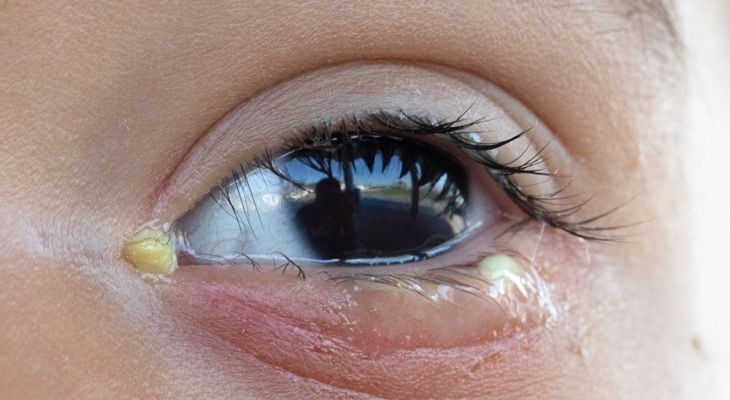
Conjunctivitis is inflammation of the eye’s outer membrane and can be viral, bacterial, or allergic.
| Type | Key Symptoms |
|---|---|
| Viral | Watery discharge, redness |
| Bacterial | Thick yellow/green discharge |
| Allergic | Severe itching, both eyes affected |
Treatment: Depends on the type (antibiotics for bacterial, antihistamines for allergic).
4. Cataracts
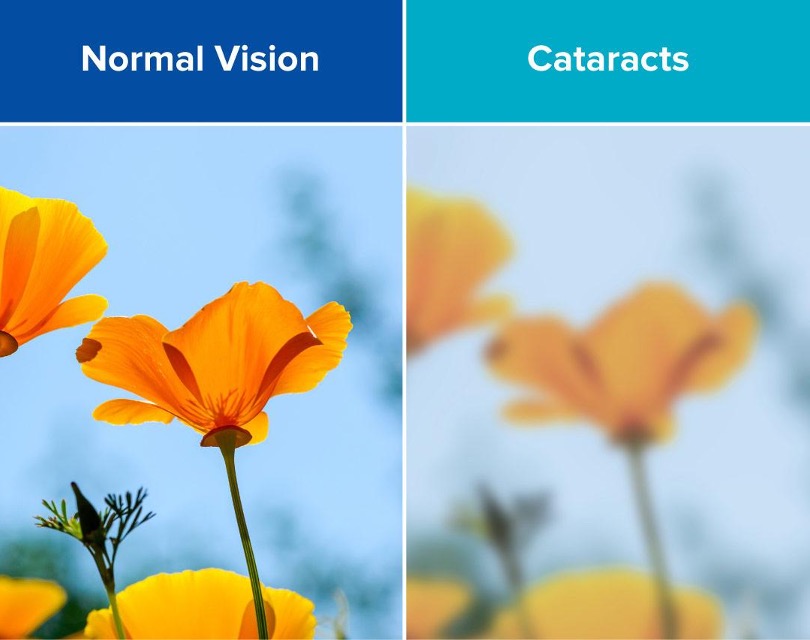
Cataracts involve clouding of the natural lens, often age-related.
Symptoms
-
Gradual blurred vision
-
Difficulty driving at night
-
Glare and halos
-
Faded colors
Treatment: Cataract surgery restores clarity.
5. Glaucoma
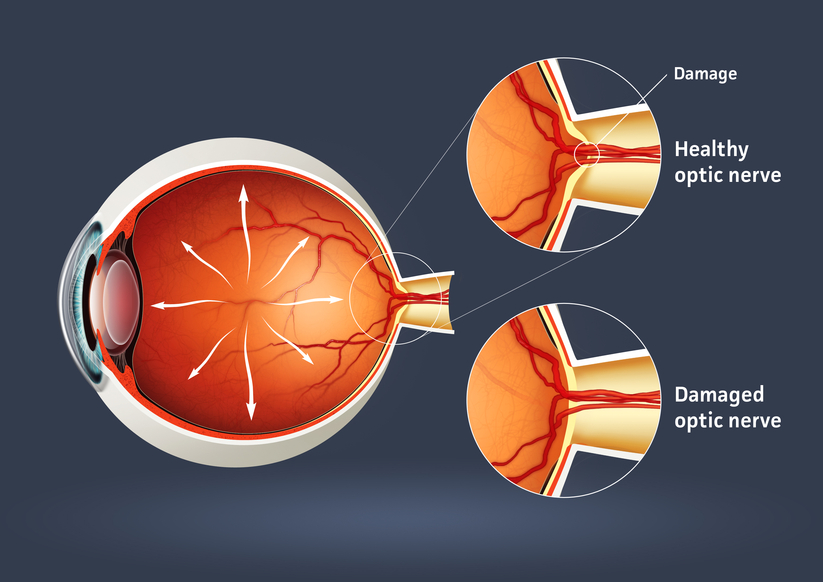
Glaucoma damages the optic nerve, usually due to high eye pressure.
Symptoms
-
Gradual loss of peripheral vision
-
No early warning signs (common type)
-
Severe pain in acute cases
-
Halos around lights
Glaucoma is often symptomless in early stages.
6. Age-Related Macular Degeneration (AMD)
AMD affects the central retina and is common in older adults.
Symptoms
-
Central vision blur
-
Distorted straight lines
-
Dark spot in the center of vision
Early detection is crucial for management.
7. Diabetic Retinopathy
Diabetes can damage retinal blood vessels.
Symptoms
-
Fluctuating blurred vision
-
Floaters
-
Dark spots
-
Vision loss (advanced stages)
Regular eye exams are essential for diabetic patients.
8. Eye Strain (Digital Eye Strain)

Excessive screen use leads to digital eye strain.
Symptoms
-
Tired eyes
-
Headaches
-
Blurred vision
-
Dryness
-
Neck and shoulder pain
Prevention: Follow the 20-20-20 rule and maintain proper ergonomics.
9. Retinal Detachment
Retinal detachment is a serious condition requiring urgent care.
Warning Signs
-
Sudden flashes of light
-
Increase in floaters
-
Curtain-like shadow over vision
-
Sudden vision loss
Immediate treatment is critical.
10. Uveitis (Eye Inflammation)

Uveitis is inflammation inside the eye.
Symptoms
-
Eye pain
-
Redness
-
Sensitivity to light
-
Blurred vision
Early treatment prevents complications.
When Should You See an Eye Doctor?
| Symptom | Urgency |
|---|---|
| Sudden vision loss | Emergency |
| Severe eye pain | Immediate care |
| Flashes and floaters | Urgent evaluation |
| Persistent blurred vision | Schedule appointment |
| Chronic dryness | Routine check |
Ignoring serious symptoms can lead to permanent damage.
Tips for Maintaining Eye Health
Eye Health Recommendations
-
Schedule regular eye exams
-
Maintain healthy blood sugar and blood pressure
-
Eat leafy greens and nutrient-rich foods
-
Wear UV-protective sunglasses
-
Take screen breaks
-
Avoid smoking
Prevention plays a key role in preserving vision.
Frequently Asked Questions (FAQs)
What are the most common eye problems?
Refractive errors, dry eye, cataracts, and glaucoma are among the most common.
Are all red eyes serious?
Not always, but persistent redness with pain or vision changes should be checked.
How often should I get my eyes examined?
Every 1–2 years, or as recommended by your eye doctor.
Can systemic diseases affect vision?
Yes. Diabetes, hypertension, and autoimmune disorders can impact eye health.
Can eye problems be prevented?
Many can be managed or slowed with regular exams and healthy lifestyle habits.
Key Takeaway
Common eye problems range from mild conditions like dry eye to serious diseases such as glaucoma and retinal detachment. Recognizing symptoms early—such as blurred vision, redness, pain, or flashes—can prevent complications and protect long-term eye health.
Routine eye check-ups and prompt medical attention for unusual symptoms are the best ways to maintain clear vision and overall eye wellness.