How To Spot Early Symptoms Of Glaucoma Before It’s Too Late
Dec 12, 2025
Vision does not usually vanish in a single moment. For many people with glaucoma, it fades so slowly that by the time they notice a problem, a large part of their sight is already gone. This is why doctors call glaucoma the silent thief of sight, and why knowing how to spot early symptoms of glaucoma really matters.
Glaucoma is a group of eye conditions that damage the optic nerve, the cable that carries images from the eye to the brain. In most people, this damage is linked to raised eye pressure, but it can also happen when pressure is normal. The worrying part is that early stages often have no obvious warning signs, especially symptoms of glaucoma in adults who feel healthy and see well.
The encouraging news is that when glaucoma is found early, treatment can slow or even stop further vision loss. At Vision Eye Centre in Delhi NCR, a team led by Padma Shri awardee Prof. Dr. A. K. Grover uses advanced tests and technology to pick up subtle changes long before daily life is affected.
By reading this guide, you will:
-
Learn the early signs of glaucoma
-
Understand key glaucoma risk factors
-
See how modern tests detect the disease at an early stage
-
Know when it is time to see an eye doctor
Most important, it will show how regular glaucoma screening at Vision Eye Centre can help protect sight for the years ahead.
“Glaucoma is the leading cause of irreversible blindness worldwide.” — World Health Organization
Key Takeaways
-
Glaucoma often starts without any obvious warning signs. Regular eye exams are vital because they find early damage before a person notices vision loss.
-
Subtle problems like peripheral vision loss, halos, or a feeling of eye pressure should never be ignored. These can be early glaucoma warning signs that need a specialist check.
-
Adults over 40, people with a family history of glaucoma, and some ethnic groups have higher risk. For them, glaucoma early detection with scheduled screening is especially important.
-
Modern tools such as OCT scans and visual field tests can pick up damage even when vision seems normal. At Vision Eye Centre, these tests guide early treatment plans that help prevent further loss of sight.
What Is Glaucoma And Why Is It Called The "Silent Thief Of Sight"?
Glaucoma is a long-term eye disease in which damage to the optic nerve leads to gradual vision loss. In many cases, this damage is linked to high pressure inside the eye, also called intraocular pressure (IOP). The eye constantly makes a clear fluid called aqueous humor, and this fluid normally drains out through a tiny angle where the cornea and iris meet. When this drainage is blocked or slows down, eye pressure builds up and starts to harm the optic nerve.
Many people think glaucoma always means high eye pressure, but that is not completely correct. There is a form called normal-tension glaucoma where optic nerve damage happens even though the pressure reading is within the usual range. This is one reason why a quick pressure check at a local shop is not enough as a glaucoma screening test. A full eye exam by an ophthalmologist is needed.
The silent thief name fits because early glaucoma causes almost no discomfort. Many symptoms of glaucoma in adults appear only after major nerve damage has already taken place. By then, glaucoma vision loss symptoms are permanent. This is why regular eye checkups at a center with advanced testing, such as Vision Eye Centre, are so important.
“The most important risk factor for glaucoma is not getting your eyes examined.” — Common teaching in ophthalmology
Early Stage The Invisible Threat
In the early stage, the drainage system inside the eye works less smoothly. Fluid still enters the eye at the same rate, but it does not leave as easily, so pressure tends to creep up over time. Even small rises in eye pressure can slowly injure the fine nerve fibers that make up the optic nerve.
At this point:
-
Central vision stays sharp
-
Most people see well enough to read, drive, and work
-
There is no eye pain and no redness
-
There is usually no obvious blurry vision and glaucoma link that a person can notice
Because daily vision seems normal, early glaucoma feels like no problem at all.
Yet this is the most important time to find the disease. Only professional tests, such as optic nerve scans and visual field checks, can pick up these silent changes. At Vision Eye Centre, these tests are part of routine glaucoma early detection for patients who come in for regular exams.
Late Stage When Symptoms Finally Appear
As glaucoma moves into later stages, more and more nerve fibers are damaged or lost. This leads to blind spots that first appear in side, or peripheral, vision. A person may notice that objects seem to come out of nowhere at the edges, or that they miss steps or door frames. Over time, this loss of peripheral vision can narrow into what many people call tunnel vision.
In advanced cases, other glaucoma symptoms to watch for may appear, such as:
-
Halos or rainbow rings around lights, especially at night
-
Blurry vision after exercise or when tired
-
More trouble seeing in dim rooms or on dark roads
By this time, a lot of optic nerve damage is already permanent.
Once vision is gone from glaucoma, it cannot be brought back. Treatment at this stage still aims to protect the remaining sight, but it cannot reverse what has been lost. That is why detecting glaucoma early, before late-stage symptoms appear, is so important for long-term eye health.
Early Warning Signs Of Glaucoma You Should Never Ignore
Although early glaucoma often hides quietly, some people do notice small changes that can act as red flags. These signs are easy to brush aside as tiredness, aging, or stress, but they may be the first signs of glaucoma. Any of the symptoms below should lead to a prompt check with an eye specialist, especially for adults over 40 or anyone with known glaucoma risk factors.
Gradual Loss Of Peripheral Vision
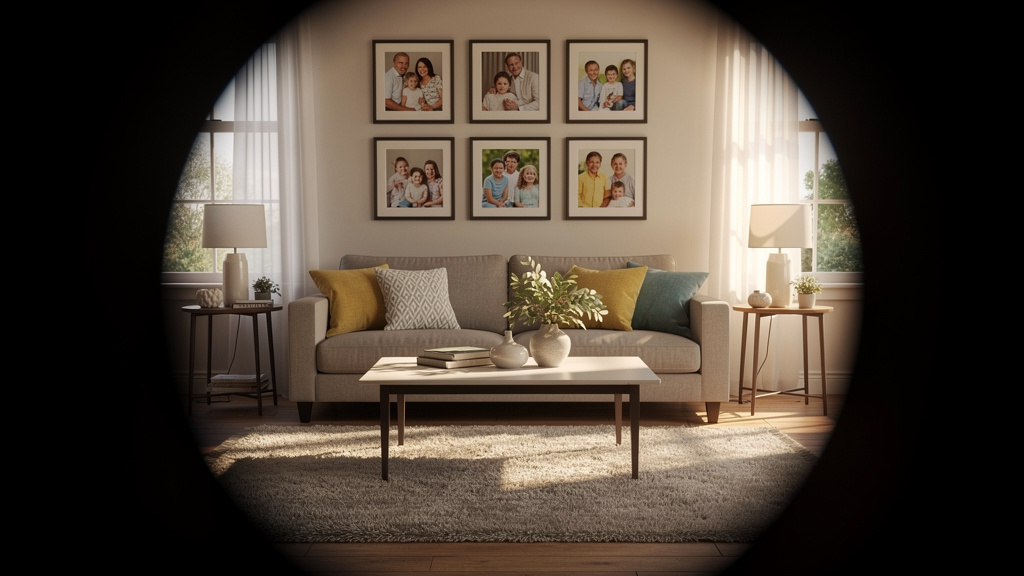
One of the most common early signs of glaucoma is a slow loss of side vision. Central vision, used for reading and looking straight ahead, often stays clear, so the problem feels minor at first. A person might:
-
Bump into furniture or clip door frames
-
Miss a car in the side mirror while driving
-
Feel less aware of people or objects approaching from the side
Often these events are blamed on clumsiness or distraction. In reality, they may be early glaucoma vision loss symptoms showing that the edges of the visual field are shrinking. Without treatment, this can progress over years to tunnel vision, where only a small circle straight ahead remains.
Seeing Halos Around Lights

Some people with glaucoma notice rainbow rings or halos around lights, especially at night. Streetlights, car headlights, and bulbs in a room may seem to have colored circles around them. This can happen when raised eye pressure causes slight swelling of the clear front part of the eye, the cornea.
These halos are seen more often in angle-closure glaucoma, a type where the drainage angle is narrowed or blocked. Many people first think their glasses are dirty or their eyes are just tired. When halos keep returning, especially with other glaucoma symptoms to watch for, they should be checked by an eye doctor.
Eye Pain Pressure Or Unusual Discomfort
In the most common type, open-angle glaucoma symptoms are usually painless or cause only a mild feeling of heaviness in the eyes. A person may notice a dull ache after long hours on screen or reading, which eases with rest. This may seem like normal strain, yet it can reflect subtle eye pressure symptoms that need expert review.
In contrast, acute glaucoma symptoms in angle-closure attacks are dramatic:
-
The eye becomes red and very painful
-
Vision can blur suddenly
-
There may be nausea or even vomiting
These glaucoma pain symptoms are a medical emergency. Vision Eye Centre provides urgent evaluation and treatment for such cases to lower pressure and protect sight as quickly as possible.
Frequent Headaches Concentrated Around The Eyes
Headaches are common and often due to simple causes like stress, sinus issues, or lack of sleep. In some people, though, frequent headaches centered behind the eyes or across the brow can be linked to changing eye pressure. These pains may feel worse in the morning or after focusing on screens for long periods.
On their own, such headaches do not prove glaucoma. But when combined with other glaucoma warning signs such as halos, side vision loss, or eye discomfort, they should never be ignored. A detailed eye exam can show whether eye pressure symptoms are playing a role.
Difficulty Seeing In Low Light Or Adjusting To Darkness
Trouble adapting to dim areas can be another early clue. A person may find that it takes much longer than before to adjust when walking from bright sunlight into a movie theater or a poorly lit room. Night driving may feel less safe because objects and people are harder to see against dark backgrounds.
This can happen when damaged optic nerve fibers struggle to send clear signals in low-contrast settings. While many conditions can cause problems in dim light, this change combined with other first signs of glaucoma calls for a full glaucoma screening test by an ophthalmologist.
Are You At High Risk? Key Glaucoma Risk Factors
Glaucoma can affect anyone, even children, but some people face a much higher chance of developing it. Knowing personal glaucoma risk factors helps decide how often to get eye exams and how soon to seek care for any symptoms. At Vision Eye Centre, doctors use a detailed history and advanced testing to guide glaucoma prevention tips for each patient.
Age Your Risk Increases After 40
Age is a major factor in glaucoma risk. The chance of developing the disease starts to rise after 40 and becomes much higher after 60. The drainage system inside the eye can become less efficient with time, which makes raised eye pressure more likely.
Because of this, every adult over 40 should have a baseline comprehensive eye exam that includes glaucoma checks. From there, the doctor can advise how often follow-up visits are needed based on the findings.
Family History And Genetics
Glaucoma often runs in families. If a parent, brother, sister, or child has been diagnosed, the risk for other close relatives is several times higher than average. In many families, more than one member has the disease, sometimes at a similar age.
Talking with relatives about eye health and sharing that history with an ophthalmologist is very helpful. For people with a strong family history, Vision Eye Centre usually advises more frequent glaucoma early detection visits, even when vision seems normal.
Ethnicity And Population-Specific Risks
Background and ethnicity also play a part in glaucoma risk. For example:
-
People of African descent have a higher chance of getting primary open-angle glaucoma at a younger age, and the disease may progress faster.
-
Many Asian populations have more angle-closure glaucoma, where sudden spikes of eye pressure can cause acute glaucoma symptoms.
-
People of Hispanic or Latino background, especially over 60, also face higher risk of open-angle disease.
In Delhi NCR, Vision Eye Centre serves patients from many backgrounds and takes these patterns into account when planning screening and treatment.
Underlying Medical Conditions
Certain long-term health problems can raise glaucoma risk, including:
-
Diabetes, which can damage small blood vessels in the eye and make the optic nerve more fragile
-
Long-standing high blood pressure, which can disturb blood flow to the nerve
-
Sleep apnea, where breathing stops briefly during sleep
-
Some heart and blood vessel diseases
-
Frequent migraines, which may reduce blood flow to the head and eyes for short periods
For people with these conditions, close teamwork between the eye doctor and the regular physician helps protect both general and eye health.
Previous Eye Injuries Or Surgeries
Injury to the eye can damage the drainage angle and lead to secondary glaucoma. This can happen after a sports injury, a hit with a ball, or an accident that cuts or penetrates the eye. Problems may appear months or even years later.
Certain eye surgeries, such as complicated cataract or retinal procedures, can also change the way fluid flows inside the eye. Severe infections or long-term swelling add to the risk. Anyone with such a history should always mention it during eye exams so the doctor can check carefully for early signs of glaucoma.
How Vision Eye Centre Detects Glaucoma Early Advanced Diagnostic Testing
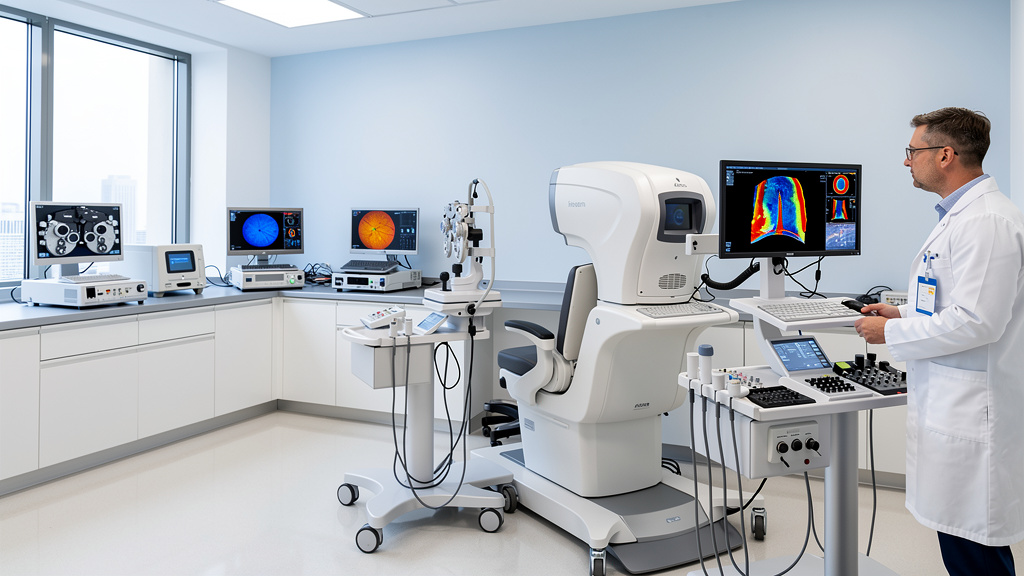
Because glaucoma can move quietly for years, regular detailed eye exams are the best defense against blindness. A quick refraction for glasses is not enough. At Vision Eye Centre, glaucoma screening combines expert examination with advanced machines that map eye pressure, optic nerve structure, and visual function in great detail.
The centre is NABH-accredited and led by Padma Shri awardee Prof. Dr. A. K. Grover, with over 26 years of experience in caring for complex eye conditions. A visit includes several painless tests that together give a full picture of how healthy the eyes are and how likely glaucoma might be.
“The best glaucoma assessment measures both structure and function of the eye.” — Common principle in glaucoma care
Measuring Intraocular Pressure (Tonometry)
Tonometry is the basic eye pressure test. A small instrument gently touches or blows a puff of air on the eye surface to measure how much force is needed to flatten the cornea. This gives the intraocular pressure reading in millimeters of mercury (mmHg).
High pressure readings are a major glaucoma risk factor, but normal readings do not always mean the optic nerve is safe. At Vision Eye Centre, tonometry uses modern devices that give accurate and repeatable values for better long-term follow-up.
Advanced Optic Nerve Imaging With Cirrus HD-OCT
A detailed look at the optic nerve is vital for detecting glaucoma early. After dilating the pupils with drops, the doctor at Vision Eye Centre examines the optic nerve directly. Along with this, the centre uses the Cirrus HD-OCT system from Carl Zeiss, Germany, for high-definition imaging.
OCT (Optical Coherence Tomography) creates cross-sectional pictures of the retina and the optic nerve head, allowing doctors to see the thickness of the retinal nerve fiber layer (RNFL). Even tiny thinning that is invisible to the naked eye can be picked up. These scans are stored and compared over time, so any early damage from glaucoma shows up as clear changes on the report.
Visual Field Testing With Humphrey Field Analyzer
While OCT shows structure, visual field testing shows how well the eye works across the whole field of view. At Vision Eye Centre, the Humphrey Field Analyzer from Carl Zeiss, Germany, is used as the gold standard for this test. Patients look into a dome and press a button whenever they see small lights appear in different areas.
The machine maps which spots are seen and which are missed. Early glaucoma often causes small blind areas in peripheral vision that patients do not notice in daily life. Finding these patterns early helps confirm glaucoma and guide how strong treatment needs to be.
Corneal Thickness Measurement (Pachymetry)
The thickness of the cornea affects how eye pressure readings are interpreted. A thicker cornea can make pressure seem higher than it really is, while a thin cornea can hide true pressure that is harmful for the nerve. Pachymetry is the test that measures this thickness.
At Vision Eye Centre, pachymetry results are combined with tonometry values so that eye pressure is judged in the right context. This helps the doctor decide what level is safe for each person and how aggressively to treat.
Drainage Angle Inspection (Gonioscopy) And Anterior Segment Analysis
To understand the type of glaucoma and the best treatment, the doctor must see the drainage angle where the iris meets the cornea. In gonioscopy, a special mirrored contact lens is gently placed on the eye after numbing drops. This lets the doctor see whether the angle is open, narrow, or blocked.
Vision Eye Centre also uses Oculus PENTACAM from Oculus, USA, for detailed anterior segment analysis. This machine scans the front of the eye, measuring corneal shape, thickness, and anterior chamber depth. Together, gonioscopy and PENTACAM data guide decisions about whether a person is at risk for angle-closure glaucoma and which procedure or medicine is best.
Treatment Options How Vision Eye Centre Protects Your Vision
Glaucoma damage cannot be reversed, but good treatment can slow or stop further loss of sight in most patients. Management is long term and needs steady follow-up. The plan depends on the type of glaucoma, the level of eye pressure, the amount of nerve damage, and the person’s general health.
At Vision Eye Centre, glaucoma care is handled by experienced specialists who use medicines, laser procedures, and surgery when needed. They aim to reach a safe eye pressure for each patient while keeping daily life comfortable. Patients are guided closely on how to use medicines and when to return for checks.
“The goal of glaucoma treatment is to preserve the vision you have, not to restore what has been lost.” — Widely accepted principle in glaucoma management
Prescription Eye Drops And Oral Medications
For many people, the first step in glaucoma treatment is prescription eye drops. These medicines either:
-
Reduce the amount of fluid the eye produces
-
Help the fluid drain out better
Common groups include:
-
Prostaglandin analogs
-
Beta blockers
-
Alpha-adrenergic agents
-
Carbonic anhydrase inhibitors
Sometimes, when eye drops alone do not bring pressure down enough, oral medications from the carbonic anhydrase group are added. Doctors at Vision Eye Centre choose drug types and doses carefully, based on other health issues and how well the patient tolerates each medicine. Clear instructions are given so that doses are not missed, since steady use is key to success.
Laser Treatment Options
Laser procedures can be very helpful, especially for people who find it hard to use many eye drops every day. In open-angle glaucoma, laser trabeculoplasty uses light energy to improve the function of the eye’s drainage tissue, so fluid leaves more easily and pressure drops.
For angle-closure glaucoma or people at high risk of angle closure, a YAG laser peripheral iridotomy may be advised. In this procedure, a tiny opening is made in the iris, which gives fluid another path to move from the back to the front of the eye. Vision Eye Centre is fully equipped with NIDEK LASER machines, including advanced anterior segment YAG lasers, to perform these treatments with precision and comfort.
Surgical Interventions For Advanced Cases
When medicines and laser treatments are not enough to protect the optic nerve, surgery can provide more lasting pressure control. One common operation is trabeculectomy, where the surgeon creates a new drainage channel so fluid can leave the eye and collect under the outer white surface.
Another approach uses glaucoma drainage devices, often called shunts or tubes, which carry fluid from inside the eye to a small plate placed on the surface. In some patients, especially when cataract surgery is being done at the same time, minimally invasive glaucoma surgery (MIGS) may be chosen. Surgeons at Vision Eye Centre discuss all options with patients and advise the method that offers the best balance between safety, pressure control, and recovery.
Lifestyle Strategies To Support Your Eye Health
Medical treatment is the main way to control glaucoma, but daily habits also matter for eye health. Certain lifestyle choices can support blood flow to the optic nerve and may help keep eye pressure more stable. These steps do not replace drops, lasers, or surgery, yet they work alongside them to support better long-term results.
Protect Your Eyes From Injury
Serious eye injuries can lead to traumatic glaucoma years later. Wearing protective eyewear during sports such as cricket or badminton and during home repair or construction work can prevent many accidents. It is wise to use safety glasses whenever small particles, sharp tools, or fast-moving balls are involved.
Maintain A Nutrient-Rich Diet For Eye Health

A balanced diet helps the eyes as well as the rest of the body. Try to include:
-
Leafy greens such as spinach and kale, which provide antioxidants that support the retina and optic nerve
-
Citrus fruits and berries for vitamin C
-
Nuts and seeds for vitamin E and healthy fats
-
Fish like salmon and tuna for omega-3 fatty acids that support blood vessels
-
Foods containing trace minerals such as zinc, copper, and selenium
A colorful plate with plenty of vegetables and fruits is a simple way to support the eyes every day.
Exercise Safely And Moderately
Regular moderate exercise can improve general circulation and may help lower eye pressure slightly. Activities such as brisk walking, light jogging, or swimming a few times a week are usually safe for people with glaucoma. Before starting a new plan, it is sensible to discuss it with the treating doctor.
Very heavy weightlifting and certain yoga poses where the head is lower than the heart can cause short-term spikes in eye pressure. People with glaucoma should avoid such positions or only do them after clear advice from their eye specialist.
Manage Caffeine And Stay Hydrated Wisely
Drinks high in caffeine, such as strong coffee or energy drinks, can cause short bursts of higher eye pressure in some people. Keeping caffeine at moderate levels is a simple step that may help. It is also better to sip water and other fluids steadily through the day instead of drinking a very large amount at once.
This steady pattern avoids sharp shifts that may affect eye pressure. Good hydration supports overall health, which in turn helps the eyes.
When To See An Eye Doctor Don't Wait For Symptoms
Waiting for clear symptoms before seeing an eye doctor can be very risky with glaucoma. By the time noticeable vision loss appears, much of the optic nerve may already be damaged. Regular, planned exams are the safest way to catch the disease early.
As a general rule:
-
All adults over 40 should have a comprehensive eye exam every one to two years, even if they see well.
-
Those with high risk — such as a strong family history, diabetes, high blood pressure, or coming from groups known to have more glaucoma — may need checks every six to twelve months.
An ophthalmologist can set the right schedule based on your eyes and risk factors.
Any sign of peripheral vision loss, seeing halos, ongoing eye pressure symptoms, or frequent headaches around the eyes should prompt a visit as soon as possible. Sudden severe eye pain with redness, blurred vision, nausea, or vomiting is an emergency and must be treated immediately.
Vision Eye Centre has convenient locations across Delhi NCR and is ready to provide thorough, timely glaucoma evaluations so that people do not have to delay care.
Conclusion
Glaucoma earns its name as the silent thief of sight because it often gives no warning until significant damage is done. Relying on how well one can read or drive is not enough to judge eye health. Only regular, detailed exams can show what is happening to the optic nerve behind the scenes.
The positive message is that early detection and steady treatment can protect vision for most people with glaucoma. With advanced tools such as Cirrus HD-OCT, the Humphrey Field Analyzer, Oculus PENTACAM, and modern NIDEK laser systems, Vision Eye Centre offers some of the most advanced glaucoma screening and care available in Delhi NCR. The NABH accreditation and leadership of Prof. Dr. A. K. Grover reflect a long-standing commitment to safe, high-quality, patient-centered care.
Taking action now is the best way to protect sight for work, family, and daily life. Do not wait for clear symptoms or visible vision loss. Schedule a comprehensive glaucoma screening at Vision Eye Centre and give your eyes the careful attention they deserve for the future you have planned.
FAQs
Can Glaucoma Be Cured Completely?
Glaucoma cannot be cured in the sense of making the eye completely normal again, and any vision already lost cannot be regained. However, with early diagnosis and proper treatment, the disease can often be kept under good control. Regular follow-up and steady use of prescribed medicines are essential to prevent further vision loss.
Is Glaucoma Hereditary?
Yes, glaucoma has a strong hereditary element. People with a parent, brother, sister, or child who has glaucoma are several times more likely to develop it themselves. Anyone with such a family history should have regular glaucoma screening tests, even if vision seems normal.
How Often Should I Get My Eyes Checked For Glaucoma?
Most adults over 40 should have a full eye exam every one to two years that includes checks for glaucoma. Those at higher risk — such as people over 60, those with a family history, African or Asian background, diabetes, or high blood pressure — may need exams every six to twelve months. Vision Eye Centre offers comprehensive glaucoma screening to set the right schedule for each person.
What Happens If Glaucoma Is Left Untreated?
If glaucoma is not treated, damage to the optic nerve continues over time. Peripheral vision loss gradually worsens, often leading to tunnel vision, and in severe cases complete and permanent blindness can occur. Because this damage cannot be reversed, early diagnosis and treatment are vital to preserve the sight that remains.